Things to Do in Shibuya: Complete Local Guide for First-Time Visitors (2026)
Quick Answer
Planning a trip to Tokyo? This complete local guide to Shibuya covers the best attractions, food spots, shopping areas, travel tips, budgeting advice, and itinerary ideas to help you make the most of your visit.
Shibuya is one of Tokyo's most exciting districts—a place where neon lights, fashion trends, hidden cafes, cultural landmarks, and local neighborhoods come together in a way that's uniquely Japanese. Whether you're visiting Tokyo for the first time or returning to explore beyond the famous crossing, Shibuya offers far more than shopping and nightlife.
From iconic landmarks like the world-famous Shibuya Crossing to quiet backstreets filled with local eateries, this guide covers everything you need to know about the best things to do in Shibuya, including transportation, budgeting, food recommendations, accommodation tips, safety advice, and suggested itineraries.
Why Visit Shibuya?
Shibuya is often considered the heart of modern Tokyo. It combines cutting-edge culture with traditional elements, making it one of the city's most dynamic neighborhoods.
Visitors come to Shibuya for:
Famous landmarks and photo spots
Trendsetting fashion and shopping
Japanese street food and restaurants
Vibrant nightlife
Easy transportation connections
Parks and cultural attractions
Day and night entertainment
Its central location also makes it an excellent base for exploring other Tokyo districts like Harajuku, Shinjuku, Omotesando, and Roppongi.
📍 Top Things to Do in Shibuya
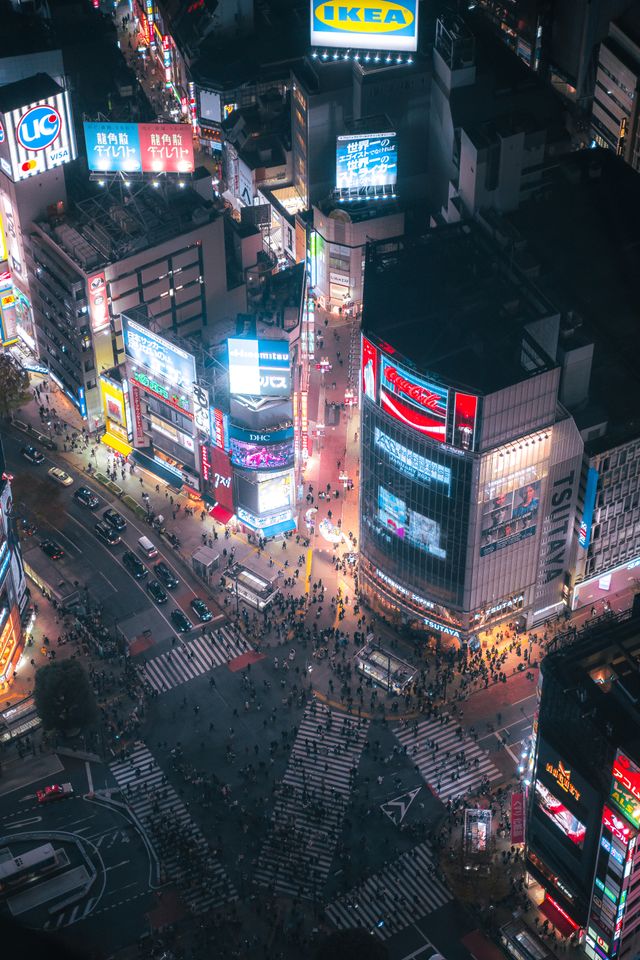
Experience Shibuya Crossing
No trip to Shibuya is complete without witnessing the legendary Shibuya Crossing.
Often called the busiest pedestrian crossing in the world, thousands of people cross from multiple directions every few minutes. It's one of Tokyo's most recognizable sights.
Best viewing spots:
Shibuya Sky observation deck
Starbucks overlooking the crossing
MAGNET by Shibuya109 rooftop
Second-floor windows of nearby cafes
Local Tip:
Visit once during daylight and again after sunset. The atmosphere changes dramatically when the neon lights illuminate the streets.
Visit the Hachiko Statue
Located outside Shibuya Station, the Hachiko Statue is one of Tokyo's most beloved landmarks.
Hachiko was an Akita dog famous for waiting daily for his owner, even after his owner's death. Today, the statue serves as a popular meeting point for locals.
Best for:
Quick photos
Learning a piece of Japanese history
Easy landmark for navigation
Try arriving early in the morning if you want photos without large crowds.
Enjoy the Views from Shibuya Sky
Shibuya Sky has quickly become one of Tokyo's top observation decks.
Located atop Shibuya Scramble Square, it offers breathtaking 360-degree views of:
Tokyo Tower
Tokyo Skytree
Mount Fuji (on clear days)
The sprawling Tokyo skyline
Best Time to Visit:
About one hour before sunset. You'll experience daytime views, sunset colors, and Tokyo's nighttime lights in a single visit.
Explore Center Gai
Center Gai is the energetic pedestrian street that represents modern youth culture.
You'll find:
Fashion stores
Arcades
Karaoke venues
Fast-food chains
Trendy cafes
Street performers
The area becomes especially lively during evenings and weekends.
Travel Tip:
Keep an eye on your belongings because the area gets extremely crowded.
🛍️ Shopping in Shibuya
Browse Shibuya109
One of Tokyo's most iconic fashion malls, Shibuya109 remains a trendsetter for Japanese youth fashion.
Expect:
Japanese clothing brands
Cosmetics
Accessories
Seasonal fashion trends
Even if shopping isn't your priority, the building itself is a cultural experience.
Visit Miyashita Park
Miyashita Park combines:
Shopping
Dining
Recreation
Rooftop green spaces
The rooftop area includes:
Skateboarding facilities
Sports courts
Relaxation spaces
It's a great place to take a break from the city's fast pace.
Discover Local Boutiques in Cat Street
Located between Shibuya and Harajuku, Cat Street offers a completely different atmosphere.
You'll find:
Independent fashion stores
Vintage clothing shops
Specialty coffee shops
Creative local brands
Many travelers consider Cat Street one of Tokyo's best shopping areas because it feels more local and less commercial.
🍣 Best Food Experiences in Shibuya
Shibuya is a food lover's paradise.
Try Authentic Sushi
You'll find everything from affordable conveyor-belt sushi to premium omakase experiences.
Budget options start around:
¥1,000–¥2,000 per meal
Mid-range sushi restaurants typically cost:
¥3,000–¥8,000 per person
Eat Japanese Ramen
Popular ramen styles available in Shibuya include:
Tonkotsu (pork broth)
Shoyu (soy sauce)
Miso ramen
Tsukemen dipping noodles
Expect to pay:
¥900–¥1,500 per bowl
Experience an Izakaya
An izakaya is Japan's version of a casual pub.
You'll enjoy:
Yakitori
Fried chicken
Sashimi
Local drinks
Shared small plates
Many locals gather at izakayas after work, making them excellent places to experience everyday Japanese culture.
Visit Shibuya's Hidden Cafes
Beyond major chains, Shibuya has countless unique cafes.
Look for:
Specialty coffee roasters
Matcha cafes
Dessert cafes
Minimalist Japanese coffee shops
Many are hidden on upper floors, so don't hesitate to explore buildings that appear ordinary from street level.
🌳 Explore Shibuya's Green Spaces
Relax in Yoyogi Park
Just a short walk from central Shibuya, Yoyogi Park offers a refreshing contrast to the city's energy.
Popular activities include:
Picnics
Cycling
Jogging
Cherry blossom viewing
During weekends, local musicians and performers often gather here.
Visit Meiji Shrine
Located near Yoyogi Park, Meiji Shrine is one of Tokyo's most important spiritual sites.
Highlights include:
Traditional torii gates
Forest walking paths
Cultural ceremonies
Peaceful atmosphere
It's an excellent way to balance modern Tokyo experiences with traditional Japan.
🚆 Getting Around Shibuya
Arriving from Tokyo Airports
From Narita Airport
Narita Express (N'EX): Approximately 75–90 minutes
Airport Limousine Bus options available
From Haneda Airport
Train connections: 30–45 minutes
Airport buses available
Using Shibuya Station
Shibuya Station is one of Tokyo's busiest transportation hubs.
Major train lines include:
JR Yamanote Line
JR Saikyo Line
Ginza Line
Hanzomon Line
Fukutoshin Line
Tokyu Lines
Local Tip:
The station can be confusing for first-time visitors. Use station maps and allow extra time when changing trains.
Best Transportation Passes
Consider:
Suica Card
PASMO Card
Tokyo Subway Ticket (for heavy subway use)
These options make transportation easier and reduce ticket purchasing hassles.
💰 Budgeting for Shibuya
One of the biggest misconceptions is that Shibuya is only for luxury travelers.
Budget Traveler
Hostel: ¥3,500–¥7,000
Meals: ¥2,000–¥4,000 daily
Transportation: ¥800–¥1,500
Attractions: ¥0–¥3,000
Estimated Daily Budget: ¥7,000–¥15,000
Mid-Range Traveler
Hotel: ¥12,000–¥25,000
Food: ¥5,000–¥10,000
Attractions and shopping: ¥3,000–¥10,000
Estimated Daily Budget: ¥20,000–¥45,000
Luxury Traveler
Premium hotel: ¥35,000+
Fine dining: ¥15,000+
Shopping and experiences vary significantly
🏨 Where to Stay in Shibuya
Budget Accommodation
Ideal for:
Solo travelers
Backpackers
Digital nomads
Look for:
Capsule hotels
Hostels
Budget business hotels
Mid-Range Hotels
Best for most travelers.
Benefits include:
Convenient station access
Comfortable rooms
Good value for money
Many excellent hotels are within walking distance of Shibuya Station.
Luxury Hotels
For premium experiences, choose hotels near:
Shibuya Scramble Square
Cerulean Tower area
Omotesando border
These locations offer exceptional city views and upscale amenities.
☀️ Best Time to Visit Shibuya
Spring (March–May)
Pros:
Cherry blossoms
Comfortable temperatures
Beautiful parks
Cons:
Large crowds
Higher hotel prices
Summer (June–August)
Pros:
Festivals
Long daylight hours
Cons:
Hot and humid weather
Carry water and plan indoor breaks.
Autumn (September–November)
Many travelers consider this the best season.
Advantages:
Pleasant temperatures
Fall colors
Fewer crowds than spring
Winter (December–February)
Benefits:
Clear skies
Seasonal illuminations
Lower accommodation rates
Cold weather is generally mild compared with many Western destinations.
⚠️ Common Mistakes to Avoid
Only Visiting the Crossing
Many visitors spend just a few minutes around the crossing and leave.
Instead:
Explore side streets
Visit Cat Street
Discover local cafes
Spend an entire afternoon in the area
Underestimating Walking Distances
Tokyo neighborhoods appear close on maps but can involve substantial walking.
Wear comfortable shoes.
Skipping Advance Reservations
Popular attractions like Shibuya Sky often sell out.
Book ahead whenever possible.
Visiting Only at Night
Shibuya is famous after dark, but daytime offers:
Better shopping
Less crowded sightseeing
Cafe culture
Local neighborhood exploration
🛡️ Safety Tips for Travelers
Shibuya is generally very safe.
Still, follow basic precautions:
Keep valuables secure in crowded areas
Watch for bicycles on sidewalks
Stay aware after midnight around nightlife zones
Carry a portable charger
Save your hotel address in Japanese
Emergency services are reliable and easy to access.
🗓️ One-Day Shibuya Itinerary
Morning
Visit Meiji Shrine
Walk through Yoyogi Park
Coffee at a local cafe
Lunch
Enjoy authentic ramen or sushi
Afternoon
Explore Shibuya109
Walk through Cat Street
Visit Miyashita Park
Sunset
Head to Shibuya Sky
Evening
Experience Shibuya Crossing
Take photos of Hachiko Statue
Dinner at an izakaya
Explore Center Gai
This itinerary provides a balanced mix of culture, food, shopping, and sightseeing.
Final Thoughts
Shibuya is much more than Tokyo's famous crossing. It represents the energy, creativity, and diversity of modern Japan while still offering access to traditional culture, peaceful parks, and authentic local experiences.
Whether you're interested in fashion, food, photography, nightlife, or simply soaking in Tokyo's atmosphere, Shibuya deserves a prominent place on your Japan itinerary. Spend time exploring beyond the main attractions, and you'll discover why many travelers return to this vibrant district again and again.
FAQs
What is Shibuya most famous for?
Shibuya is most famous for Shibuya Crossing, one of the busiest pedestrian intersections in the world, along with its shopping, nightlife, and youth culture.
How many hours should I spend in Shibuya?
A full day is ideal. However, travelers with limited time should spend at least 4–6 hours exploring the area's main attractions.
Is Shibuya expensive for tourists?
Shibuya can fit most budgets. Budget travelers can enjoy affordable food, hostels, and free attractions, while luxury options are also widely available.
What is the best time to visit Shibuya?
Spring (March–May) and autumn (September–November) offer the most comfortable weather and excellent sightseeing conditions.
Is Shibuya safe at night?
Yes. Shibuya is generally very safe, even after dark. As with any major city, remain aware of your surroundings and keep valuables secure in crowded areas.
Related Posts
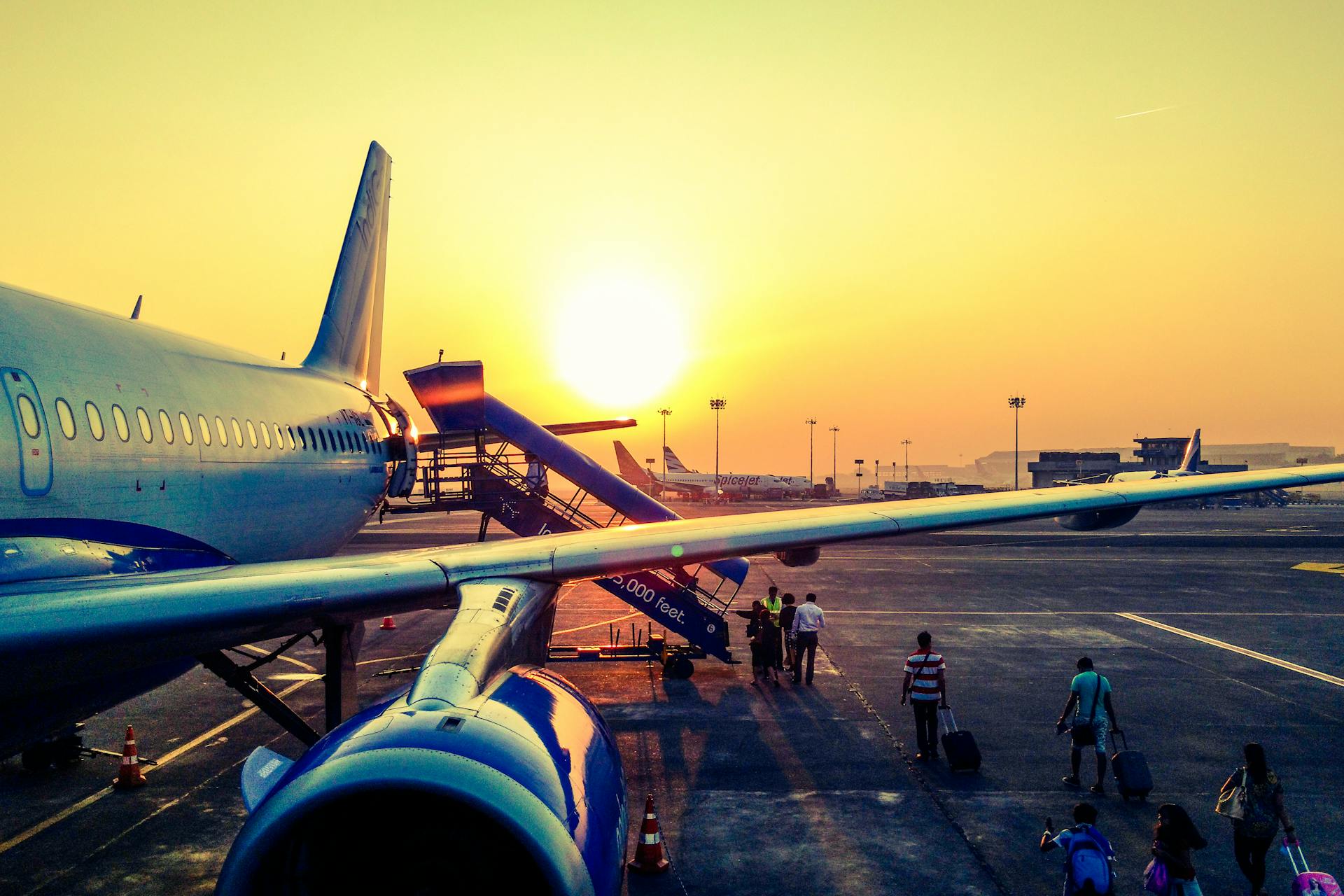
Is Tokyo Expensive? A Realistic Budget Breakdown for Travelers 💴
If you're planning a trip to Tokyo, one question almost always comes up: Is Tokyo expensive?
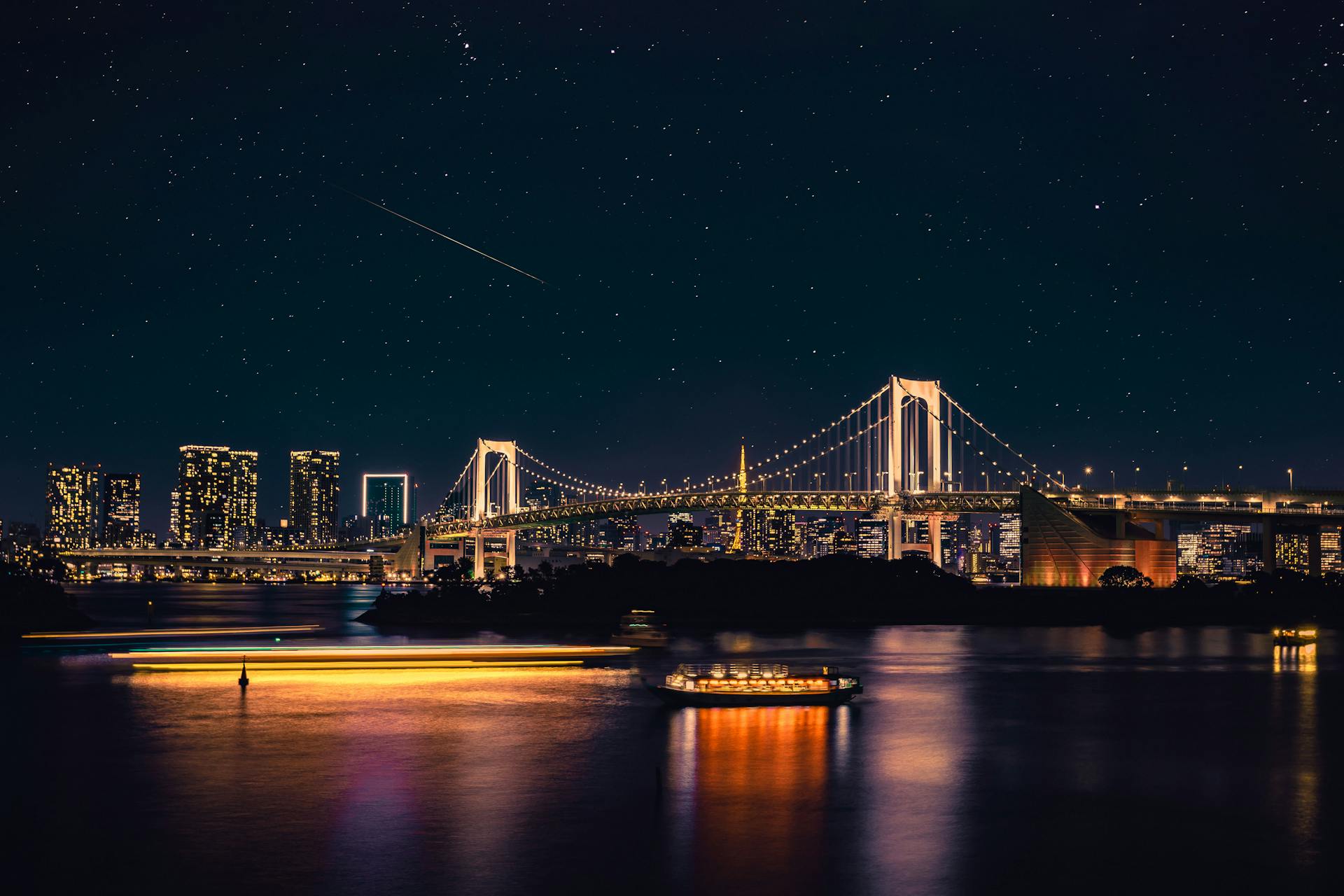
Tokyo Travel Guide 2026 🇯🇵: Everything You Need to Know Before You Go
Planning your first Tokyo trip? This complete 2026 Tokyo travel guide covers where to stay, budgetin...
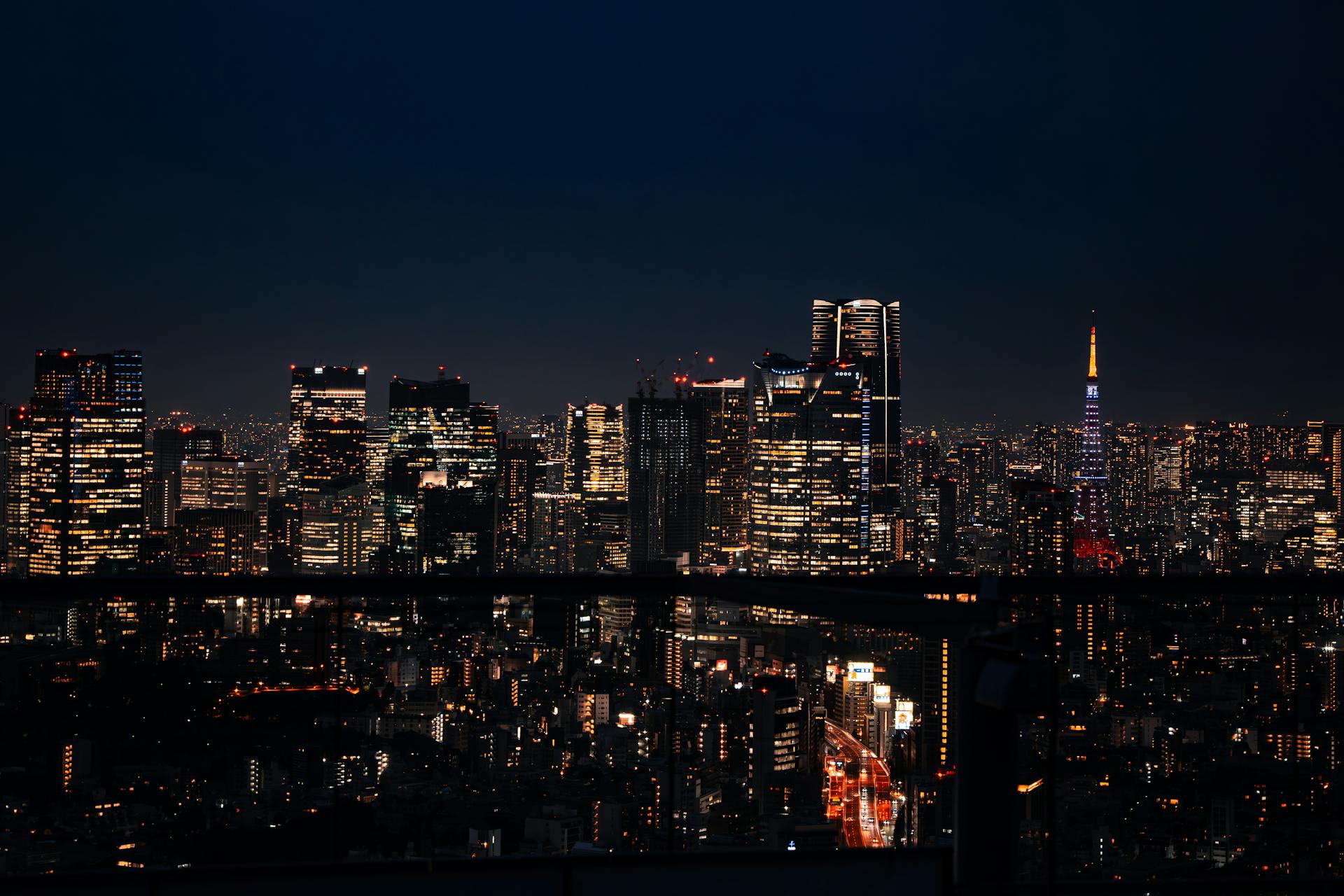
Where to Stay in Tokyo: Best Areas for First-Time Visitors (2026 Guide)
Not sure where to stay in Tokyo? This complete 2026 guide compares Shinjuku, Shibuya, Asakusa, Ginza...